
From a Menopause Moment to a Menopause Movement
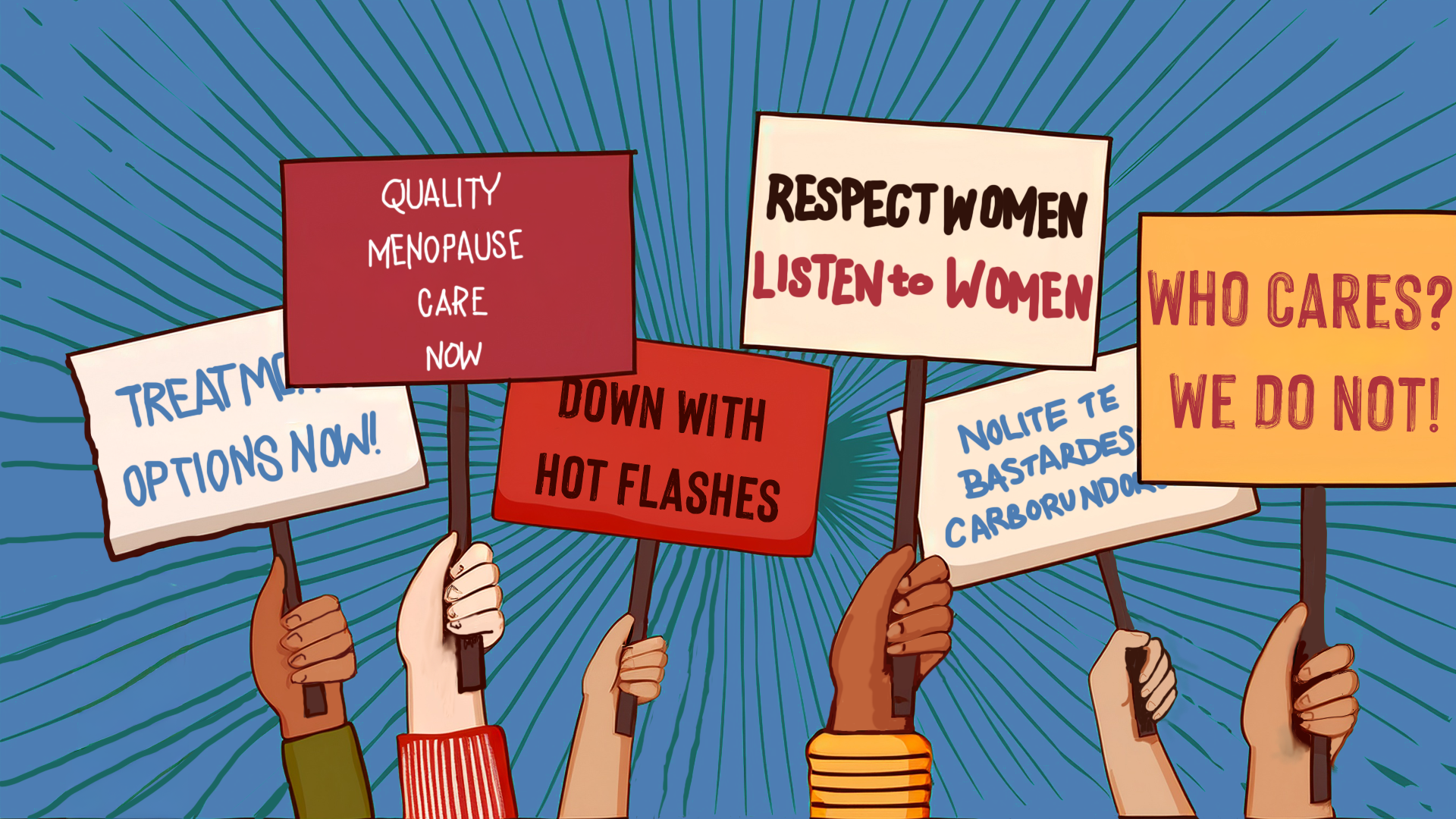
Women are calling for better care for menopause and perimenopause.
For years, menopause was banished to the shadows—whispered about, minimized, or dismissed as an inevitable “women’s issue” that had to be endured quietly. But something has shifted. What many are calling the “Menopause Moment” is no moment at all. It’s a movement—one driven by women reclaiming their time, their space, and the quality of care they receive.
Women Are Leading the Change
Today, women in midlife are rewriting expectations around menopause. Far from fading into the background, women are stepping forward and saying, I deserve to feel like myself. I deserve care that works. Communities like the We Do Not Care Club highlight what this phase of life can offer: an opportunity to put yourself first, set healthy boundaries, and prioritize your wellbeing with a clarity that often emerges in midlife.
Every day, we see clients who—often for the first time in years—are carving out space to ask, “What do I need?” And they are expecting real answers, not dismissals. This shift is powerful. It’s culture-changing. And it’s long overdue.
But With Opportunity Comes Confusion
When an area of health has been neglected for decades, the sudden spotlight can create a bit of a “Wild West.” And that’s exactly what’s happening right now in the menopause space.
Alongside the excitement and increased visibility, we’re also seeing:
Unregulated supplements marketed as cures
“Bioidentical” or “natural” hormone products with little or no safety data
Promising-sounding but unproven treatments with hefty price tags
Clinics or influencers promoting hormone regimens that may put patients at risk
People going through menopause are spending real money—often thousands of dollars—on therapies that either don’t work, aren’t necessary, or may carry unknown or unstudied risks. And because symptoms can be life-disrupting, people are understandably vulnerable to big promises.
This doesn’t mean innovation is bad. It means that the excitement needs to be accompanied by evidence, nuance, and thoughtful guidance.
A Nuanced Moment for Hormone Therapy
The FDA’s recent removal of the black box warning from vaginal estrogen is an important and welcome change. Vaginal estrogen is a low-dose, local treatment that has consistently been shown to be safe—even for many people with complex medical histories.
But the removal of the black box warning from systemic estrogen deserves a more measured response.
Systemic hormone therapy is safe and effective for the right patient—and the benefits often outweigh the risks. However, it is not a one-size-fits-all treatment. Before starting systemic hormones, it is essential to:
Review your health history
Discuss your symptom goals
Understand your personal risk profile
Work with a provider trained in menopause care who can help you weigh benefits and risks
Hormone therapy can be life changing. It can restore sleep, improve mood, reduce hot flashes, support sexual comfort, and improve quality of life. But like any medical treatment, it should be used thoughtfully and safely—not as part of a trend, and not because an online ad or influencer said it was universally risk-free.
What This Movement Really Means
The Menopause Movement shouldn't be about creating new marketing opportunities. Instead, it should be about centering the people who are going through it—and demanding better.
It is about:
Evidence-based care
Autonomy and informed decision-making
Access to clinicians who understand menopause and midlife health
Ending the silence and stigma
Refusing to accept suffering as the norm
Supporting one another through a major life transition
Most importantly, it is about recognizing that menopause is not an ordeal to endure, but a phase of life to navigate with clarity, support, and confidence.
You Deserve Care That Honors This Phase of Life
At its core, the Menopause Movement is about reclaiming agency. You get to ask for more. You get to expect better. And you deserve care that is grounded in science, tailored to your needs, and delivered with respect.
If you are experiencing symptoms, have questions about hormone therapy, or want to explore your options, meet with someone who understands the complexities of menopause and midlife. The right guidance can help you feel informed—not overwhelmed—as you make decisions about your health.
For individuals in Illinois, Attune Menopause Care is accepting new clients for both in-person and telehealth consultations. There is no waitlist, allowing most clients to begin care within two weeks of scheduling an appointment.
For individuals seeking care beyond Illinois, we suggest finding a practitioner certified by the Menopause Society (The Menopause Society Certified Practitioners (MSCPs)) or providers listed by the International Society for the Study of Women's Sexual Health (ISSWSH).
